

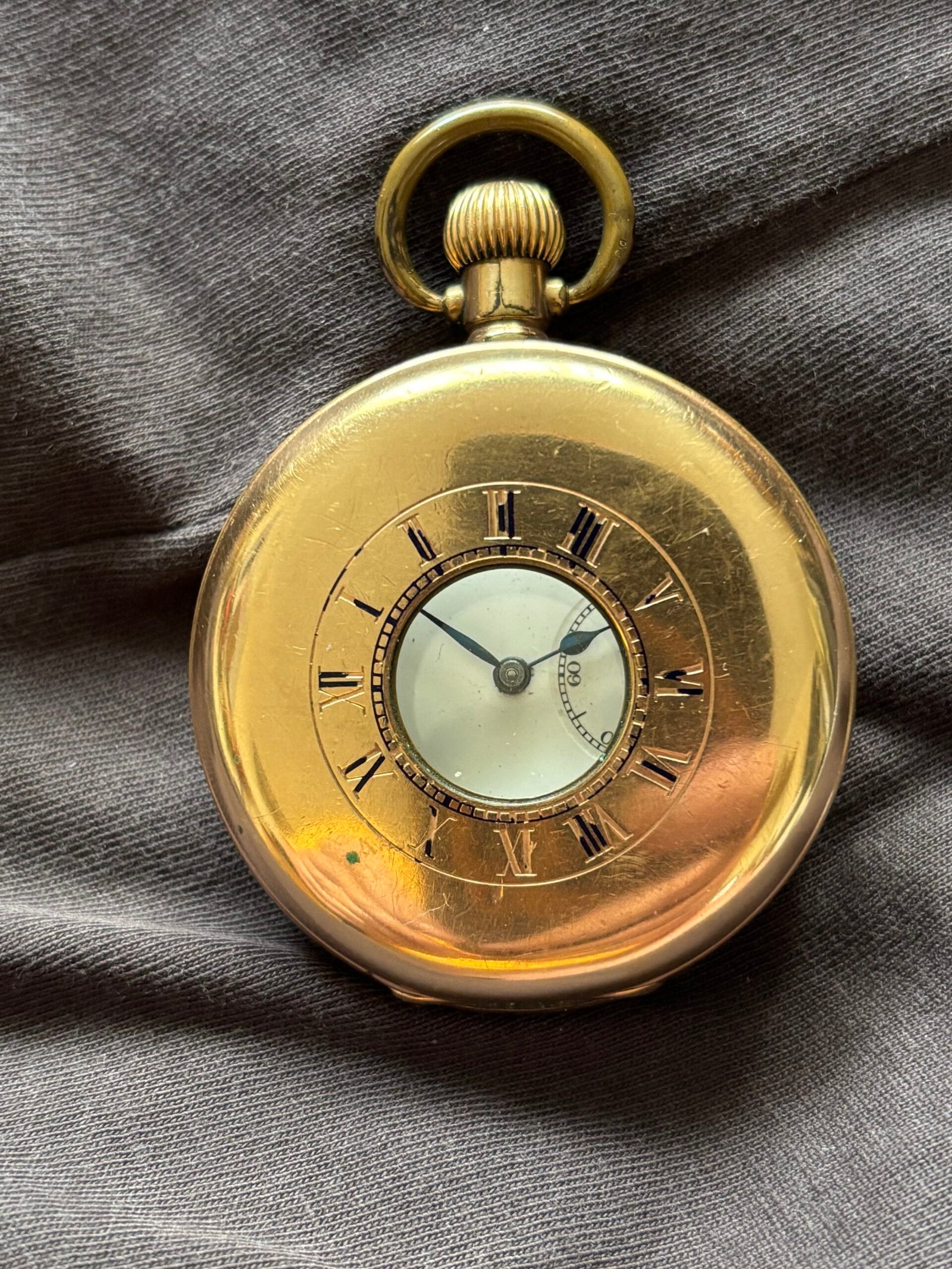
The History of Pocket Watches
Pocket watches have a rich history dating back to the early 16th century. The first portable timepieces emerged in Europe, primarily in Germany and Italy, as mechanical innovations allowed clocks to be miniaturised. These early watches were often bulky and worn as pendants or attached to clothing.
By the 17th century, the design evolved, and the pocket watch became a popular accessory among the wealthy. Advances in technology improved accuracy and allowed for smaller, more reliable movements. The introduction of the balance spring in the late 1600s greatly enhanced precision, making pocket watches practical for everyday use.
During the 18th and 19th centuries, pocket watches became more accessible due to industrialisation, and styles diversified. They were essential tools for professionals such as railway workers, who relied on accurate timekeeping to maintain schedules.
By the early 20th century, wristwatches began to replace pocket watches, but the latter remain iconic symbols of craftsmanship and elegance, cherished by collectors and enthusiasts worldwide.
When it comes to antique pocket watches, several makers stand out for their craftsmanship, heritage, and timeless designs. Some of the most renowned antique pocket watch makers include the following:
- Patek Philippe – Known for exquisite quality and innovative complications, Patek Philippe watches are highly collectible and valuable.
- Vacheron Constantin – One of the oldest watch manufacturers, famous for elegant and precise timepieces.
- Rolex – While better known for wristwatches, their early pocket watches are prized for durability and design.
- Omega – A respected name with a rich history in producing reliable and stylish pocket watches.
- Elgin National Watch Company – An American brand known for producing affordable yet quality pocket watches during the late 19th and early 20th centuries.
- Waltham Watch Company – Another key American maker famed for pioneering mass production of accurate pocket watches.
Collecting antique pocket watches is a fascinating hobby that combines history, craftsmanship, and timeless elegance. These timepieces often showcase exquisite mechanical engineering and artistic design from various eras. Enthusiasts appreciate the unique stories behind each watch, from renowned makers to intricate movements and rare materials. When starting a collection, it’s important to research the provenance, condition, and authenticity of each piece. Whether you focus on specific brands, styles, or time periods, collecting antique pocket watches offers a rewarding journey into the past, as well as an opportunity to preserve and cherish remarkable works of horological art.
Maintaining an antique pocket watch requires careful handling to preserve its delicate mechanism and historical value. First, keep the watch clean by gently wiping the exterior with a soft, dry cloth to remove dust and fingerprints. Avoid using water or harsh chemicals that could damage the case or dial.
Regular winding is essential, but do not overwind; turn the crown slowly until you feel resistance. Store the watch in a dry, cool place away from direct sunlight and magnetic fields, which can affect its accuracy. If the watch is not worn regularly, wind it at least once a week to keep the gears lubricated.
Have the watch professionally serviced every 3 to 5 years by a skilled watchmaker experienced with antiques. This service includes cleaning, oiling, and checking for worn parts. Avoid DIY repairs, as antique watches are intricate and require specialised tools and knowledge.
By following these steps, you can ensure your antique pocket watch remains a treasured heirloom for years to come.
