

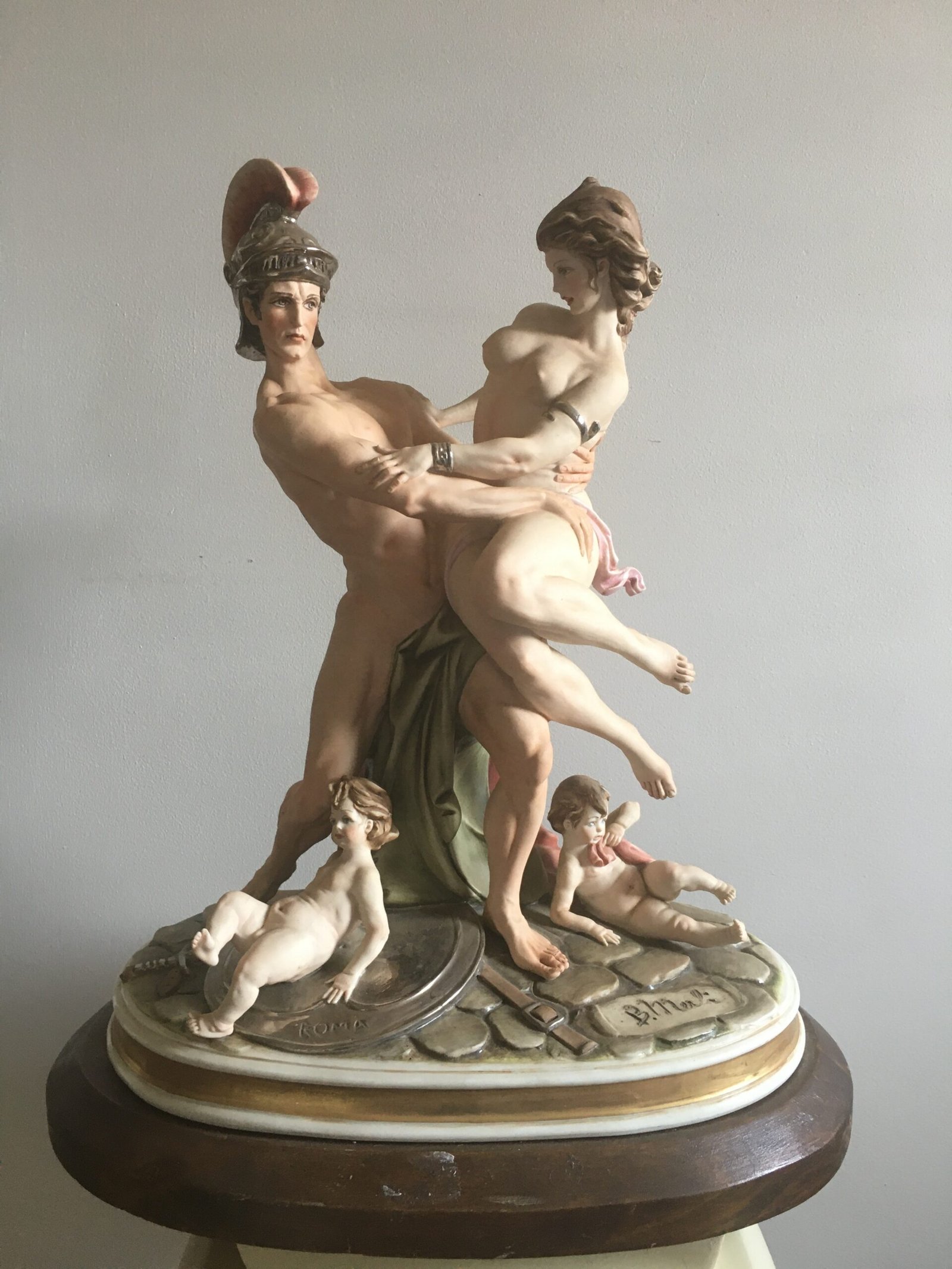
Collecting Capodimonte figurines
Capodimonti ceramic figures have a rich history rooted in the artistic traditions of Naples, Italy. Originating in the late 18th century, these figures were produced by the Royal Factory of Capodimonte, established by King Charles III of Naples in 1743. The factory became renowned for its exquisite porcelain and ceramic artworks, blending artistic finesse with innovative techniques.
Capodimonti figures are celebrated for their delicate craftsmanship, intricate detailing, and vibrant colours. They often depict mythological, pastoral, and everyday scenes, reflecting the cultural and social life of the time. The factory’s artisans mastered the art of soft-paste porcelain, which allowed for fine, lifelike sculptures admired by collectors worldwide.
Over time, Capodimonti ceramics evolved, embracing new styles and influences while maintaining their distinctive elegance. Today, these figures remain highly valued by collectors and art enthusiasts for their historical significance and artistic beauty.
Throughout the 19th and 20th centuries, Capodimonte expanded its cultural significance, housing the famous Capodimonte Museum, which showcases an impressive collection of Renaissance and Baroque art, along with decorative arts and royal artefacts. The surrounding park, once royal hunting grounds, now serves as a public green space treasured by locals and visitors alike.
Today, Capodimonte stands as a symbol of Naples’ rich artistic heritage and royal history, blending its past grandeur with contemporary cultural life.
Collecting Capodimonte porcelain figures became a cherished hobby during the 20th century, prized for their exquisite craftsmanship and artistic detail. Originating from the Capodimonte manufactory in Naples, Italy, these porcelain pieces are renowned for their delicate, hand-painted designs and lifelike depictions of figures, often inspired by mythology, nature, and everyday scenes.
Throughout the 1900s, collectors sought authentic Capodimonte figures as symbols of elegance and cultural heritage. The market saw growth as more collectors appreciated their artistic value, rarity, and the distinct soft-paste porcelain technique used by the artisans. Many pieces from this era featured intricate floral motifs and romantic subjects, reflecting the artistic trends of the time.
Collectors valued the detailed craftsmanship and the signature marks that authenticated each piece, making Capodimonte figures a significant addition to fine porcelain collections worldwide. Today, these figures continue to be admired for their beauty and historical importance in the world of decorative arts.
Some notable sculptors associated with Capodimonte include the following:
- (1715–1770): The original founder and chief modeller, credited with establishing the artistic style of Capodimonte porcelain sculptures.
- Vincenzo De Simone: A prominent 18th-century sculptor known for delicate and detailed porcelain figurines.
- Emilio Greco: A 20th-century sculptor who contributed modern artistic vision to the Capodimonte tradition.
- Other artisans across the 19th and 20th centuries helped evolve the style, continuing the tradition of fine craftsmanship and artistic innovation. Names of sculptors from the 70s-80s include
- Giuseppe Armani
- Bruno Merli
- Franco Bertoli
- Aldo Bosco
- Luciano Cazzola
- Gianni Visentin
The Capodimonte school represents a blend of classical and baroque influences, evolving with each generation of sculptors while maintaining its distinctive elegance and refinement in porcelain art.
Personally, if you like Capodimonte figurines, they are well worth collecting even if they have gone out of trend, just like Toby jugs. But only go for the rare ones; there were lots made in the 70s and 80s, but most are worthless. The one above I brought for £80.00 from a boot sale, and I sold it for £800 back in 2025.
